

The summer sun isn’t just hard on people – it can wreck your drive, too.
For example, most of us think cold winter temperatures damage batteries, and while that’s half true, summer heat is what often causes the damage that cold temperatures later expose.
Here are some summer car maintenance tips from the Professional Parts People at O’Reilly Auto Parts.
Visually inspect your battery. Look for bulges, cracks or leaks. If you see any, head to your nearest O’Reilly for a free battery test. If you don’t see signs of wear, but it’s been more than three years since you changed your battery, it’s worth having it tested. If you need a replacement, we offer free installation for many models, depending on accessibility.
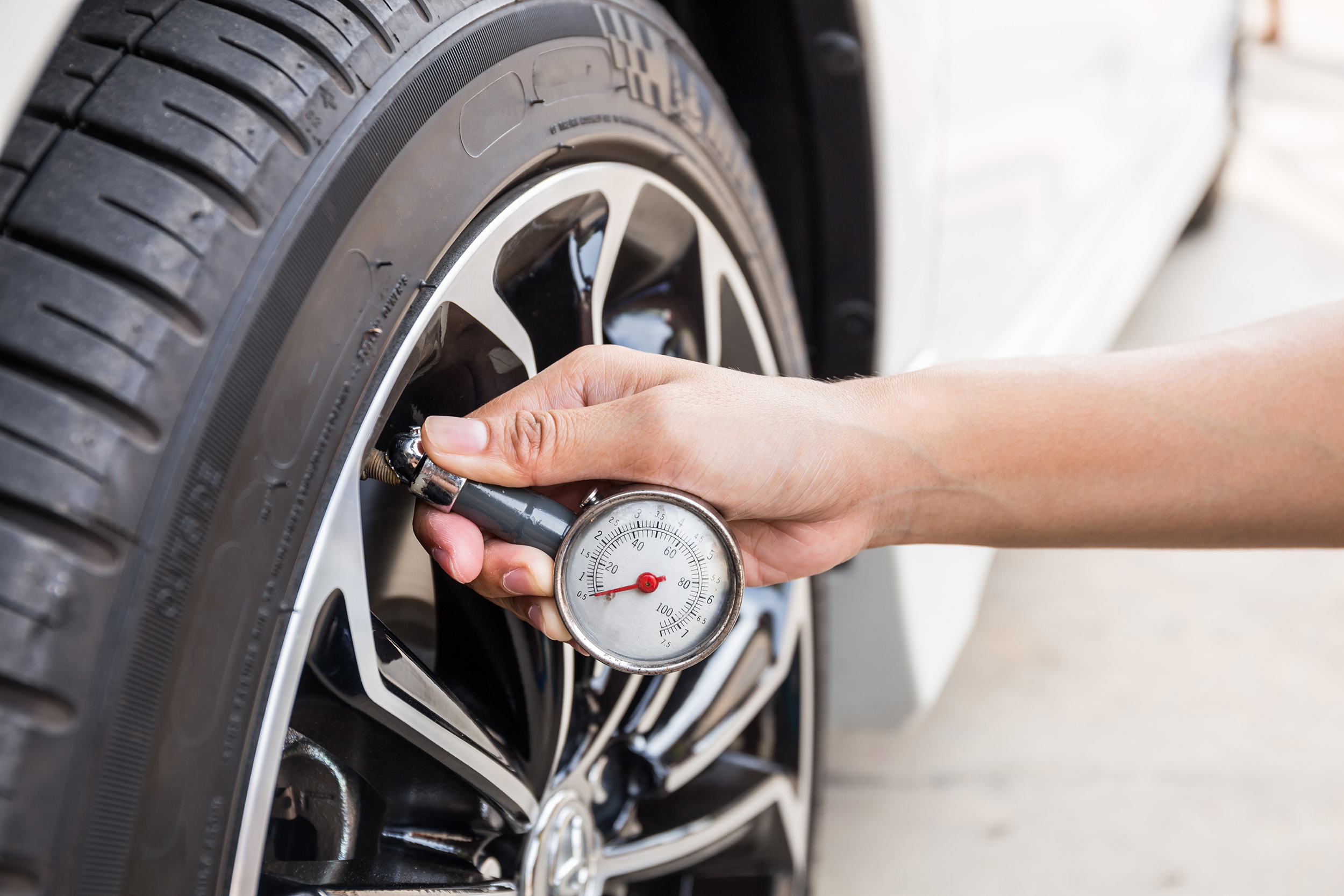
Check your tire pressure. Just as very cold winter temperatures can cause the pressure in your tires to drop, high summer temperatures can cause pressures to rise. Remember to check your tire pressure as the seasons and outside temperatures change, ensuring they’re inflated to your manufacturer’s specifications. Overinflated tires can cause a dangerous blowout or irregular tread wear and tire damage.
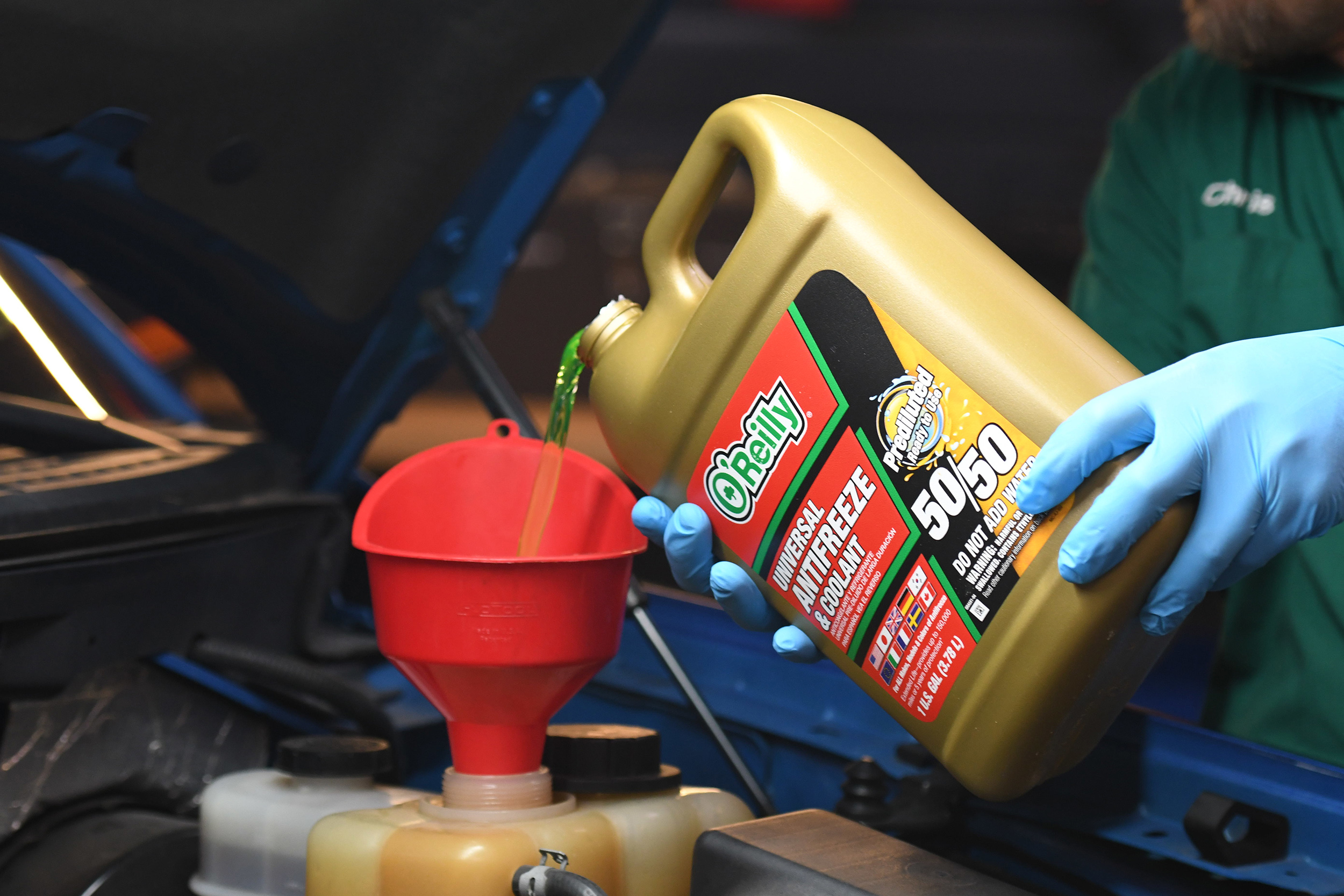
Prevent an overheated engine. Being stranded on the side of a hot highway with a steaming engine is not only inconvenient – it’s hazardous. Do your best to prevent it from happening by checking the amount of coolant in your system now, before you have an issue.
Most vehicles have a coolant/antifreeze reservoir with markings on the side that indicate minimum and maximum levels.
You want to ensure your level is somewhere in the middle. If you need to add coolant, first check to see what type your vehicle manufacturer recommends. Remember that some coolant comes concentrated, so you may need to mix it with distilled water – usually half and half. Don’t hesitate to ask the Professional Parts People at O’Reilly to advise you.
Keep in mind that coolant is toxic, so put on gloves and eye protection before you add it to your engine. Always let your car cool for at least a half hour after driving before you attempt to remove the radiator or coolant reservoir cap. If it’s hot, the coolant will be under pressure and could spray, causing severe burns.
Once the system is open, simply add the correct coolant mix amount to the reservoir.
Keep cool in the cabin. This is not the time to have your air conditioning quit. If you notice the air is only occasionally cool or isn’t cool at all, it may be time to recharge your vehicle’s air conditioning system. This can be a simple task using an A/C recharge kit, which is an all-in-one refrigerant and refrigerant oil solution with a hose and gauge.
Start your engine and crank your air conditioning to maximum cool, with the fan on high. Follow the directions on the can to connect the gauge assembly to the can and shake well, then connect the hose to the port on the compressor. This connector may be in different places depending on your vehicle, so make sure you know the correct procedure for your model.
Read the pressure gauge when the compressor cycles on. If the needle moves to the white, or low, area of the gauge, you need to add refrigerant.
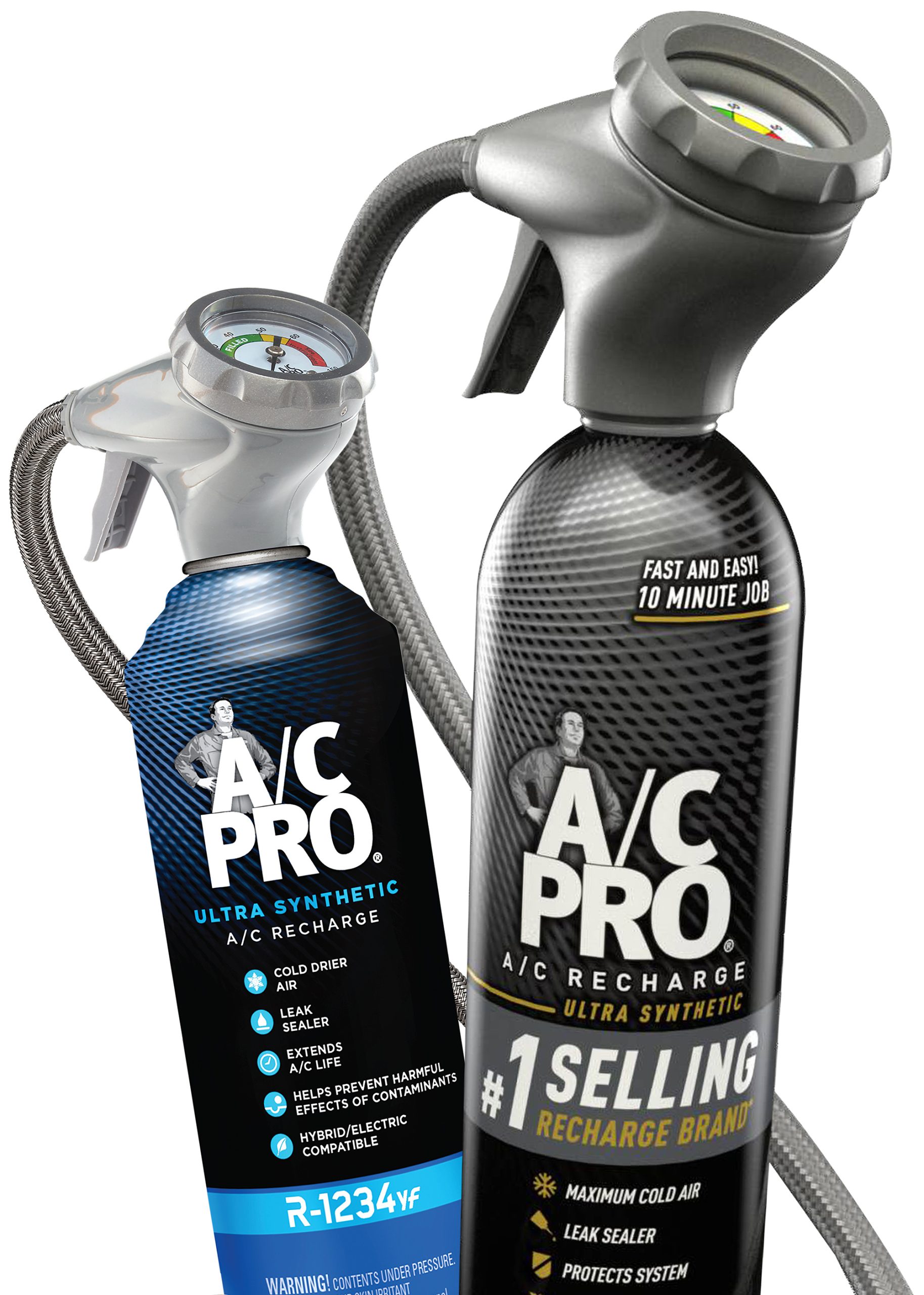
Hold the can vertically, pull the trigger and shake the can slightly up and down, alternating between holding the can vertically and horizontally. After 10 to 15 seconds, release the trigger and check the pressure. Remember to wait until the compressor cycles to check the gauge. Continue this cycle until the needle moves into the green area.
It’s important not to overcharge your A/C system – too much refrigerant can actually cause your system to blow warm air! To help you complete this successfully, we have this step-by-step video available in our How-to-Hub at www.oreillyauto.com.
Keep in mind that recharging an A/C system doesn’t necessarily fix the source of the problem. If the system pressure was low before you started, your system has been leaking refrigerant and may require additional service for a permanent repair. Also, if your compressor doesn’t come on at all, it means there’s something wrong with your system. In either case, the O’Reilly store team can recommend a local professional to help you.
If your air is cool, but doesn’t smell great, it’s probably time to change your cabin air filter. A dirty filter can restrict air flow through your vents, so switching it out is good for A/C efficiency and the quality of air in your vehicle. The O’Reilly store team can help you find the right filter and where it’s located – in most cases, they can change it for you as well.
Remember, with thousands of O’Reilly Auto Parts across the country, we’re here for you if you do have an unexpected vehicle failure. We can diagnose a check engine light for free with O’Reilly VeriScan, and refer you to reputable professional shops. To find the store nearest you, go to www.oreillyauto.com.